

The Best Malta Experiences You Absolutely Cannot Miss
and dive deeper
From historic cities and cultural landmarks to sea adventures and culinary delights, Malta experiences offer something for every traveller. This guide explores the most memorable experiences in Malta, from Valletta and Mdina to Gozo and Comino, helping you plan a well-rounded and unforgettable island holiday.
What are the best Malta experiences for first-time visitors?
The best Malta experiences for first-time visitors combine culture, history, and time by the sea. Exploring a mix of cities, countryside, and coastline offers a well-rounded introduction to the island.
- Valletta highlights: Valletta, Malta’s compact capital, is packed with standout experiences, from the Grand Master’s Palace and St John’s Co-Cathedral to the National Museum of Archaeology and MUŻA. Add in harbour views, dining, and shopping, and you can easily spend a couple of days here, especially when paired with a short ferry ride to the Three Cities.
- Mdina & Rabat highlights: Mdina, the Silent City, offers a slower, more atmospheric experience, with narrow streets, historic buildings, and panoramic views from its bastion walls. Just outside, Rabat adds depth with sites like the Roman Villa and St Paul’s Grotto, making this one of the most immersive cultural experiences on the island.
- Temple highlights: Malta’s prehistoric temples, including Ħaġar Qim, Mnajdra, and the underground Hypogeum, offer a fascinating glimpse into ancient civilisation. A visit to Gozo’s Ġgantija temples completes the experience, connecting you to some of the oldest structures in the world.
- Gozo highlights: Gozo offers a quieter, more rural contrast, with highlights including Victoria’s Citadel, Ta’ Pinu Basilica, and scenic countryside drives. Natural spots like Ramla Bay and Tal-Mixta Cave add a relaxed, unspoilt dimension to your trip.
- Beach & swimming highlights: From sandy beaches like Golden Bay and Għadira Bay to swimming spots such as St Peter’s Pool and Għar Lapsi, Malta’s coastline offers something for every pace. A visit to the Blue Lagoon in Comino is a must for its clear, turquoise waters.
- Other highlights: For a more local feel, head to Marsaxlokk for its colourful harbour and seafood, or explore the countryside around Mġarr for nature walks and traditional dining. Village festas and everyday moments across the island add an authentic layer to your overall experience.
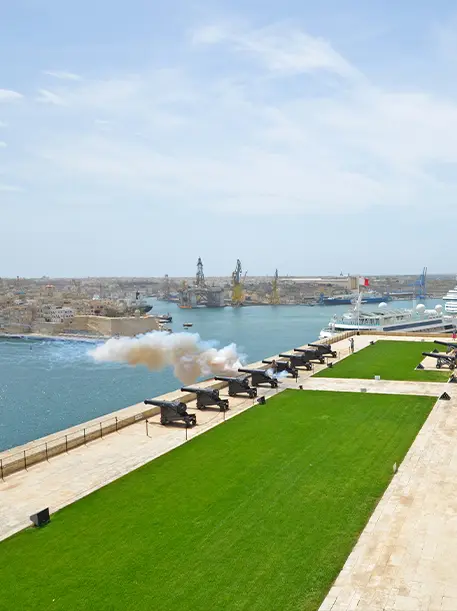 Saluting Battery, Valletta.
 St. John’s Co-Cathedral in Valletta
Which Cultural Malta Experiences Should Travellers Not Miss?
Malta’s cultural scene is so much richer than most visitors expect, and timing your trip around a local event makes it truly unforgettable.
Summer village festas are pure magic. Every town celebrates its patron saint with brass bands, elaborately decorated streets and jaw-dropping fireworks. The Malta International Fireworks Festival (usually takes place in April) takes things to a whole new level with a spectacular aerial show not to be missed.
Holy Week processions are deeply moving and rooted in centuries of tradition, while Christmas brings enchanting nativity scenes (known as presepji) across the island. In Valletta, look out for Notte Bianca, the Malta International Arts Festival and the beautiful Baroque Festival, each offering something completely different.
The best times to enjoy all Malta Experiences
The best time to visit Malta depends on what you’re looking for, as each season offers a genuinely different experience.
Spring (April–June) is widely considered the sweet spot for sightseeing and culture. Temperatures are warm and pleasant, the island is green from winter rains, and popular sites like Valletta, Mdina, and the ancient temples are far less crowded than in peak summer.
July and August bring the best beach weather, with sea temperatures peaking at around 26–27°C, but also the largest crowds, the highest prices, and intense daytime heat regularly exceeding 30°C. If beaches are your priority and heat doesn’t bother you, this is your window. Just book accommodation well in advance.
September and October offer perhaps the most balanced experience: the sea is still beautifully warm, the summer crowds begin to thin, and the pace of the island settles noticeably. Winter (November–March) suits visitors drawn to history, walking, and quieter exploration. Prices drop considerably, attractions are uncrowded, and the mild climate makes days outdoors genuinely enjoyable, even if swimming in the sea is a braver proposition.
View from Valletta.The Best Malta Experiences for Nightlife and Entertainment
When the sun goes down, Malta really comes alive!
Sliema is the go-to for a polished evening out. Browse the buzzy waterfront promenade lined with cafés and restaurants, explore shopping malls, or simply settle into a chic bar for trendy cocktails.
Just around the bay, St Julian’s has something for everyone with a cinema, bowling alley, arcades and more make it perfect for families or a fun mixed-group night out. For a more relaxed vibe, St Paul’s Bay has a great selection of laid-back pubs and bars to choose from, including the stunning Medusa Sky Bar at AX ODYCY hotel, perfect for sundowners with a view.
But if it’s a proper night out you’re after, head straight to Paceville, Malta’s legendary entertainment district, packed with bars, clubs and everything in between. It gets going late and runs until the early hours, so pace yourself!
Safety and inclusivity in Malta
Malta is a safe and welcoming destination, with low crime rates and a relaxed atmosphere for visitors. While petty theft can occasionally occur in busy areas, simple precautions like keeping an eye on your belongings are usually enough.
The island is also known for being inclusive and open, particularly for LGBTQ+ travellers. With progressive legislation and a generally accepting culture, visitors can feel comfortable exploring Malta and Gozo with confidence.
Frequently Asked Questions about the best Malta experiences
Malta’s history spans from prehistoric times to modern days. The islands boast over 7,000 years of history, from Neolithic temple builders to Romans, Knights of St. John, and World War II.
Valletta and Mdina offer some of the most immersive Malta experiences, from grand palaces and cathedrals to quiet medieval streets. Together, they provide a contrast between vibrant capital life and the timeless atmosphere of the Silent City.
Valletta offers unique Malta experiences such as visiting the Grand Master’s Palace, St John’s Co-Cathedral, the National Museum of Archaeology, and MUŻA. These can be paired with dining, shopping, and harbour views to create a well-rounded city experience.
Malta experiences linked to ancient history include visiting temples such as Ħaġar Qim, Mnajdra, and the Ġgantija temples in Gozo. The Ħal Saflieni Hypogeum offers one of the most immersive experiences, taking visitors underground into a prehistoric burial site.
Prehistoric temple visits are among the most remarkable Malta experiences, with sites like Ħaġar Qim and Mnajdra located near scenic coastal areas such as Wied iż-Żurrieq. A trip to Gozo to see the Ġgantija temples adds another dimension, combining ancient history with a wider island experience.
Malta experiences focused on maritime and wartime history include visiting the Malta Maritime Museum and exploring WWII shelters in Rabat. The Malta at War Museum also provides insight into the island’s role during World War II.
Sea-based Malta experiences include visiting the Blue Grotto, taking a day trip to Comino, and enjoying watersports at various beaches. Scuba diving and snorkelling also offer a closer look at Malta’s clear waters and underwater landscapes.
Gozo experiences include exploring Victoria and the Citadel, visiting Ta’ Pinu Basilica, and relaxing at Ramla Bay or Tal-Mixta Cave. The island’s rural towns, such as Nadur, offer a more traditional and slower-paced Maltese experience.
Around Comino, Malta experiences focus on swimming, snorkelling, and relaxing in crystal-clear waters. The Blue Lagoon is the highlight, offering one of the most visually striking coastal settings in the islands.
Maltese cuisine is a highlight. Local dishes (pastizzi, rabbit stew, lampuki pie, octopus, etc.) showcase Mediterranean and North African flavors. The country also has quality wine and pastries, and even a few Michelin restaurants like Under Grain in Valletta, so food tours and market visits are very rewarding.
4-star All-inclusive AX Odycy Hotel in Qawra, Malta. Photo credits go to viewingmalta.com.