

Top Attractions in Malta: A Guide to the Island’s Must-See Highlights
and dive deeper
From ancient temples and medieval cities to dramatic coastlines, historic forts, and traditional fishing villages, Malta offers an extraordinary variety of experiences in a compact destination. This guide explores top attractions in Malta, cultural experiences, and hidden gems to help you make the most of your visit.
Why is Malta such a big attraction for visitors?
Malta attracts visitors because it offers an exceptional variety of experiences within a very small geographical area. Ancient temples, medieval cities, beaches, UNESCO World Heritage sites, cultural traditions, and year-round sunshine can all be enjoyed within a short distance of each other.
What makes Malta stand out among many Mediterranean destinations is the sheer concentration of history. The islands have been shaped by prehistoric temple builders, Phoenicians, Romans, Arabs, the Knights of St John, the British Empire, and the events of World War II. This layered history is visible everywhere, from fortified cities and underground shelters to cathedrals, museums, and fishing villages.
The island’s compact size is another major advantage. Visitors can explore several top attractions in Malta in a single day without spending hours travelling between destinations. Whether you’re interested in archaeology, architecture, beaches, food, or cultural events, Malta offers a remarkable diversity of experiences within easy reach.
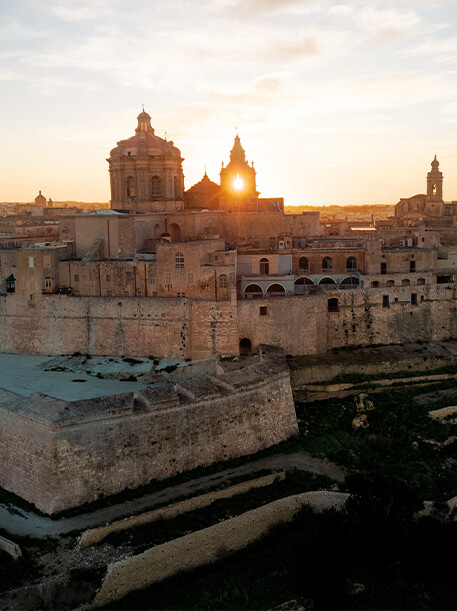 Mdina, Malta.
 View of The Three Cities from Valletta.
Which are the top 10 Malta attractions?
If you’re short on time and want to experience the very best of the islands, these top attractions in Malta provide an excellent introduction to the country’s history, culture, coastline, and traditions. Together they showcase the broad range of experiences that make Malta such a fascinating destination.
- Visit St John’s Co-Cathedral: The ultimate introduction to the Knights of St John and Baroque Malta. Visitors can admire lavish interiors, ornate marble tombs, and Caravaggio’s masterpiece The Beheading of St John the Baptist.
- Walk through Mdina at sunset: Malta’s medieval capital offers narrow streets, noble palaces, and spectacular views across the island. The atmosphere becomes particularly magical as the crowds thin and the golden evening light illuminates the city walls.
- Explore Ħaġar Qim and Mnajdra Temples: These UNESCO-listed prehistoric temples provide one of the most accessible ways to discover Malta’s ancient past. Built over 5,000 years ago, they remain among the world’s oldest free-standing structures.
- Tour the Lascaris War Rooms: Hidden beneath Valletta, these underground command centres played a crucial role during World War II. Visitors can explore the rooms where Allied military operations, including the invasion of Sicily, were coordinated.
- Take a boat trip to the Blue Lagoon: Located between Malta and Gozo, the Blue Lagoon is famous for its crystal-clear turquoise waters. Swimming, snorkelling, and boat tours make this one of the most popular Malta tourist attractions.
- Visit the Blue Grotto: A series of spectacular sea caves along Malta’s southern coast. Boat trips reveal dramatic rock formations and brilliantly coloured waters created by sunlight reflecting through the caves.
- Explore Birgu and Fort St Angelo: Birgu offers a glimpse into Malta before Valletta was built. Fort St Angelo played a pivotal role during the Great Siege and remains one of the island’s most historically significant fortifications.
- Spend a day at Golden Bay: One of Malta’s finest sandy beaches, Golden Bay combines excellent swimming, coastal scenery, watersports, and beautiful sunsets. It remains among the most popular Malta attractions for families.
- Visit Ġgantija Temples: Gozo’s most important archaeological site dates back to around 3600 BC. The enormous stone structures predate Stonehenge and provide insight into one of the Mediterranean’s earliest civilisations.
- Stroll around Marsaxlokk Harbour on Sunday morning: The colourful fishing village comes alive during its traditional market. Visitors can enjoy fresh seafood, browse local products, and admire the famous painted luzzu boats.
Neolithic temples in Malta.Other gems beyond Malta’s most famous attractions
While the major landmarks deserve their reputation, some of Malta’s most rewarding experiences lie slightly off the main tourist trail. These lesser-known Malta attractions offer deeper insights into the island’s history and culture.
- Għar Dalam: One of the most important prehistoric sites in Malta, Għar Dalam preserves evidence of animal life and early human settlement dating back thousands of years. The adjoining museum displays fascinating archaeological discoveries found within the cave.
- Ħal Saflieni Hypogeum: This extraordinary underground temple and burial complex is one of Malta’s most remarkable UNESCO sites. Due to strict visitor limits, advance booking is essential, but the experience is unlike anything else in Europe.
- Fort Rinella: Built in the nineteenth century to house the enormous Armstrong 100-ton gun, Fort Rinella offers a unique look at military engineering and British-era Malta.
- Inquisitor’s Palace: Located in Birgu, this well-preserved historic building explores the role of the Inquisition in Malta and offers insight into everyday life during the Knights’ period.
- Tarxien Temples: Often overshadowed by Ħaġar Qim, the Tarxien Temples feature some of Malta’s finest prehistoric carvings and provide an important glimpse into ancient ritual practices.
Hypogeum, Malta.Ggantija Temples in Gozo.Cultural experiences that bring Malta’s traditions to life
Many of the most memorable top attractions in Malta are not buildings or monuments at all, but living traditions that continue to shape Maltese communities today. Unlike many of Malta’s year-round landmarks, these cultural experiences are seasonal, meaning what you’ll encounter depends largely on when you visit the islands.
- Village festas: Held throughout summer, these celebrations honour local patron saints with decorated streets, marching bands, church festivities, food stalls, and spectacular fireworks displays. Every village has its own character and traditions.
- Holy Week and Easter celebrations: Processions, exhibitions, and religious pageantry take place across Malta and Gozo, particularly in locations such as Rabat, Mosta, Żebbuġ, and Vittoriosa.
- Christmas crib exhibitions: During December, churches, museums, and community centres display elaborate presepji (nativity scenes), ranging from traditional handcrafted displays to large-scale artistic interpretations.
- Carnival celebrations: Every year in February, Valletta, Floriana, and Nadur in Gozo host colourful parades, costumes, music, and street performances that showcase a more playful side of Maltese culture.
Explore Valletta’s Historic Streets.Planning your visit to Malta attractions: practical tips and travel advice
Malta’s compact size makes sightseeing remarkably efficient, but a little planning will help you make the most of your time.
Most major top attractions in Malta can be reached within 45 to 60 minutes from most parts of the island. Valletta serves as the central transport hub for the public bus network, making it relatively easy to travel between major destinations without a car.
Visitors should remember that summer temperatures regularly exceed 30°C. Historical sites often involve considerable walking with limited shade, so early morning and late afternoon visits are usually the most comfortable. Carrying water, sunscreen, and comfortable footwear is essential.
While it is possible to combine several nearby attractions in a single day, attempting to cover too much can be counterproductive. For example, Valletta’s museums and historical sites can comfortably fill an entire day on their own, while a visit to Gozo deserves at least a full day to properly appreciate the island.
The best approach is often to combine different types of experiences, perhaps a cultural attraction in the morning, a leisurely lunch, and some time by the sea in the afternoon. This balance allows visitors to enjoy the full variety that makes Malta one of the Mediterranean’s most rewarding destinations.
St John’s Co Cathedral, Valletta.The National War Museum, Malta.Frequently Asked Questions about Top Attractions in Malta
Some of the main top attractions in Malta include St John’s Co-Cathedral, Mdina, the Blue Lagoon, Ħaġar Qim Temples, the Lascaris War Rooms, Marsaxlokk, and the Three Cities. Together, they showcase Malta’s unique blend of history, culture, coastline, and natural beauty.
The leading Valletta attractions include St John’s Co-Cathedral, the Grand Master’s Palace, Upper Barrakka Gardens, the National Museum of Archaeology, Fort St Elmo, and the city’s historic streets. Visitors can also enjoy excellent dining, shopping, museums, and harbour views throughout the capital.
The main attractions in Mdina include St Paul’s Cathedral, Palazzo Falson, the Mdina Dungeons, the city’s medieval streets, and its panoramic bastion views. Known as the Silent City, Mdina offers one of the most atmospheric historical experiences in Malta.
Popular attractions in Sliema include the seafront promenade, Tigné Point, shopping centres, swimming areas, and harbour cruises. Visitors can also enjoy spectacular views of Valletta and easy ferry connections to the capital.
Yes, Qawra is home to several popular Malta tourist attractions, including the Malta National Aquarium, Qawra Point, the Bugibba Square area, and numerous coastal swimming spots. It is also a convenient base for boat trips, watersports, and exploring Malta’s northern coastline.
Malta offers historical attractions from multiple periods, including the prehistoric Ġgantija and Ħaġar Qim Temples, the medieval city of Mdina, the Knights-era landmarks of Valletta and Birgu, and World War II sites such as the Lascaris War Rooms and National War Museum. Few destinations offer such a complete journey through thousands of years of history.
Visitors should experience traditional village festas, St John’s Co-Cathedral, the National Museum of Archaeology, MUŻA, Manoel Theatre, and the Sunday market at Marsaxlokk. Depending on the season, Holy Week processions, Christmas crib exhibitions, and local festivals also provide unique insights into Maltese culture and traditions.
5-star AX The Palace in Sliema Malta. Photo Credits go to Viewing Malta.