

Diving in Winter in Malta: Why the Off-Season is One of the Best Times to Dive
and dive deeper
Thanks to mild Mediterranean temperatures, excellent underwater visibility, quieter dive sites, and world-class wrecks and reefs, diving in winter in Malta typically offers a rewarding scuba diving experience for beginners and experienced divers alike.
Ensure a safe diving trip to Malta with this handy diving in Malta guide.
Diving in Malta: A year-round Mediterranean adventure
Diving in winter in Malta is possible thanks to the island’s mild Mediterranean climate, excellent visibility, and world-renowned dive sites. While summer remains the busiest Malta diving season, winter offers a quieter and equally rewarding experience for scuba enthusiasts.
Malta has earned an international reputation as one of Europe’s premier diving destinations. Crystal-clear waters, dramatic underwater landscapes, caves, reefs, tunnels, swim-throughs and numerous wreck dives attract divers from across the globe. Whether you’re completing your first open-water dives or you’re an experienced technical diver, the islands offer dive sites suitable for every certification level.
The best time to dive in Malta ultimately depends on the experience you’re looking for. Summer offers warmer waters and lively dive centres, while winter provides fewer crowds, more personalised dive trips and peaceful underwater conditions. Even during the cooler months, sea temperatures remain comfortable enough for diving with appropriate exposure protection, making diving holidays in Malta an attractive option throughout much of the year. Professional PADI dive centres operate year-round, offering introductory dives, certification courses and guided excursions across Malta, Gozo and Comino.
What is it like diving during winter in Malta for scuba enthusiasts?
Diving in winter in Malta typically offers calm dive sites, excellent visibility, and a far more relaxed atmosphere than the busy summer months. For many experienced divers, the off-season provides some of the most enjoyable conditions of the year.
There are several reasons why winter diving continues to grow in popularity:
- Mild Mediterranean climate: Between December and April, daytime temperatures often reach around 17°C, while sea temperatures generally remain above 15°C, allowing comfortable dives with suitable wetsuits or drysuits.
- Far fewer divers: One of the greatest advantages of Malta diving in December and the winter months is the opportunity to explore many famous sites in much smaller groups, and occasionally have an entire dive site almost to yourself.
- Outstanding underwater visibility: Visibility frequently reaches 30 metres or more, allowing divers to fully appreciate Malta’s caves, reefs and dramatic underwater topography.
- Marine life encounters: With fewer people entering the water, fish and other marine species often venture closer to reefs and rocky formations, creating excellent conditions for underwater photography.
- More personalised dive experiences: Smaller group sizes allow instructors and guides to provide more individual attention, making winter particularly appealing for newer divers completing certifications.
- More things to do on the island: Another advantage of diving in Malta in February or during the festive season is everything waiting above the surface. Christmas celebrations, cultural festivals, quieter restaurants and historic attractions make it easy to combine world-class diving with an enjoyable Mediterranean winter holiday.
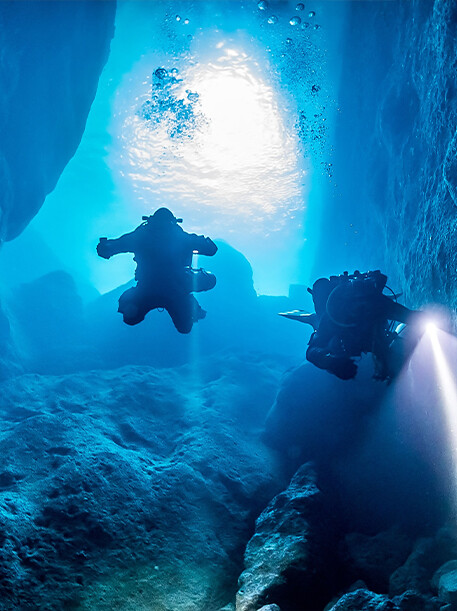 Diving in Winter in Malta.
 Diving holiday in Malta.
What are the best sites for a winter diving experience in Malta?
Malta and Gozo offer an exceptional variety of dive sites throughout the winter months, ranging from beginner-friendly reefs to dramatic caves and internationally renowned wrecks. Thanks to the islands’ compact size, several sites can often be reached within a short drive.
Some of the standout locations include:
- Blue Hole (Gozo) – Perhaps Malta’s most iconic dive site, the Blue Hole at Dwejra offers a spectacular natural rock chimney leading into the open sea. Rich marine life, dramatic walls and proximity to the famous Azure Alps make it one of the highlights of any diving holidays Malta itinerary.
- Dwejra Inland Sea & Coral Gardens (Gozo) – This remarkable network of underwater tunnels, reefs and caves creates one of the Mediterranean’s most varied dive environments. Winter visibility makes the sunlight filtering through the underwater passages particularly striking.
- Finger Reef, Għar Lapsi (Malta) – Ideal for beginners, Finger Reef combines shallow depths with naturally illuminated caves and sheltered conditions that remain suitable throughout much of the winter season.
- Um El Faroud & P31 Wrecks (Malta) – Experienced wreck divers are spoilt for choice in Malta, with famous wrecks including the 115-metre Um El Faroud tanker, the P31 patrol boat and several aircraft wrecks offering unforgettable underwater exploration.
- Xlendi Reef & Tunnel (Gozo) – Known for its cave system, sandy seabed and colourful walls covered with algae, sponges and starfish, Xlendi is particularly atmospheric thanks to the dramatic natural lighting created within the tunnels.
- Santa Maria Caves (Comino) – Crystal-clear water, dramatic swim-throughs and interconnected cave systems make Santa Maria one of Malta’s most scenic dives, particularly on calm winter days.
Practical tips for diving in Malta during winter
Winter conditions in Malta are generally excellent, but a little preparation helps ensure a comfortable and enjoyable diving experience.
- Never judge conditions by the surface alone. Strong underwater currents and swells can exist even when the surface appears flat, so always check the latest sea conditions and official safety guidance, listen to your dive centre’s advice, and if you’re ever unsure, err on the side of caution and postpone your dive.
- Pack an appropriate wetsuit or drysuit suited to sea temperatures of around 15–17°C.
- Sea conditions can change more quickly during winter, so remain flexible with dive plans.
- Book dives through reputable PADI or licensed dive centres that monitor daily weather forecasts.
- Bring warm clothing for surface intervals and boat journeys.
- Check certification requirements before booking deeper wreck dives.
- If travelling between Malta and Gozo, allow sufficient time for ferry crossings when planning your schedule.
- Although quieter than summer, it’s still advisable to reserve equipment and guided dives in advance during holiday periods.
FAQs about Diving in Winter in Malta
Yes, Malta diving in December is suitable for both beginners and experienced divers, with PADI dive centres offering guided dives for all certification levels. Beginners can enjoy sheltered sites with instructors, while experienced divers can explore caves, reefs, and famous wrecks.
Diving in Malta in February generally means fewer crowds, smaller dive groups, and excellent underwater visibility compared to the busy summer season. Although the sea is cooler, many divers appreciate the quieter atmosphere and more relaxed pace.
Yes, divers should wear appropriate thermal protection, check the latest weather and sea conditions, and always follow guidance from their dive centre. For up-to-date safety information, it’s also advisable to consult the relevant Maltese authorities, as conditions can change throughout the winter.
Absolutely. Malta diving in February is an excellent time for beginners, provided they dive with a licensed PADI centre that selects suitable sites based on the day’s conditions and their level of experience.
Winter diving in Malta offers opportunities to spot octopus, moray eels, groupers, damselfish, wrasse, sea bream, nudibranchs, and colourful reef life. With fewer divers in the water, marine life can often appear more relaxed around popular dive sites.
Sea temperatures during December are cooler than in summer, typically making thicker wetsuits or drysuits the preferred choice. The cooler water is often offset by excellent visibility and comfortable air temperatures above the surface.
Book with a reputable dive centre, allow flexibility in your itinerary should weather conditions change, and reserve equipment or guided dives in advance during busy holiday periods. For the latest conditions and operational updates, always check with your dive operator and the relevant official authorities before diving.
For many scuba enthusiasts, diving in Malta in February offers some of the most peaceful conditions of the Malta diving season, with uncrowded dive sites, personalised guiding, and outstanding underwater visibility. It’s an excellent opportunity to experience the islands’ famous caves, reefs, and wrecks at a slower pace.
For Malta diving in December, bring or hire a suitably thick wetsuit or drysuit, along with gloves and a hood if recommended by your dive centre. It’s also wise to pack warm clothing for surface intervals and always ensure your diving equipment and certification documents are up to date before travelling.
Qawra Malta in the Winter