

Art Galleries in Malta: Where to Discover the Islands’ Rich Artistic Heritage
and dive deeper
Malta’s artistic heritage is often associated with its magnificent churches, grand palaces and the masterpieces that fill them. While these remain an important part of the islands’ cultural identity, they are only the beginning of the story. Across Malta, visitors will also find contemporary galleries, independent exhibition spaces and cultural centres that celebrate both established and emerging artists.
Exploring the art galleries in Malta offers a different perspective on the islands. Beyond history and architecture, they reveal the creativity, traditions and modern influences that continue to shape Maltese culture today.
If you are planning time in Valletta, several galleries can easily be explored on foot in a single day. Those venturing beyond the capital will also discover excellent exhibition spaces in Sliema, Mosta and Gozo, making art an enjoyable addition to any itinerary.
MUŻA - Valletta
If you only have time to visit one gallery, make it MUŻA.
Located inside the sixteenth century Auberge d’Italie on Merchants Street, this national museum presents one of the finest collections of Maltese art. Visitors can trace the development of artistic expression on the islands from the fifteenth century through to contemporary works, discovering paintings, sculptures and decorative arts that reflect Malta’s changing history.
After visiting MUŻA, it is worth continuing to nearby St John’s Co Cathedral. Many visitors come to admire Caravaggio’s The Beheading of Saint John the Baptist, creating a rewarding day that combines Malta’s museum collections with one of Europe’s most celebrated church interiors.
Spazju Kreattiv - Valletta
Housed within the impressive St James Cavalier, this art gallery in Valletta is at the heart of Malta’s contemporary cultural scene.
Rather than maintaining a permanent collection, Spazju Kreattiv hosts a varied programme of exhibitions, theatre productions, cinema, literature events and creative workshops throughout the year. It is one of the best places to experience an art exhibition in Malta, particularly if you are interested in contemporary creativity and new artistic voices.
Before visiting, it is worth checking the gallery’s online programme, as exhibitions change regularly and often coincide with Malta’s wider cultural calendar.
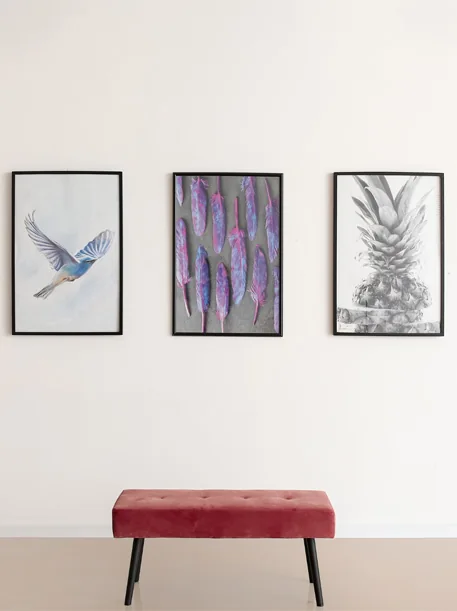 Art Galleries.
 Art Exhibitions in Malta.
Valletta Contemporary - Valletta
A short walk from Republic Street brings you to Valletta Contemporary, an independent Valletta art gallery housed inside a beautifully restored four hundred year old warehouse.
Its carefully curated exhibitions regularly showcase painting, sculpture, photography, digital media and installations by both Maltese and international artists. The intimate setting allows visitors to spend time appreciating each exhibition without feeling rushed.
Because the programme changes several times a year, repeat visits often provide an entirely different experience.
Palazzo de la Salle - Valletta
Home to the Malta Society of Arts since 1852, Palazzo de la Salle remains one of the country’s most important centres for artistic development.
Throughout the year, visitors can enjoy exhibitions featuring both established and emerging artists, alongside lectures, workshops and cultural events that celebrate the islands’ creative heritage.
For anyone interested in understanding how Maltese art continues to evolve, Palazzo de la Salle provides valuable insight into both traditional and contemporary artistic practice.
Christine X Art Gallery - Sliema
Visitors spending time outside Valletta should consider Christine X Art Gallery in Sliema.
The gallery has earned an excellent reputation for promoting local talent while presenting painting, sculpture, photography, printmaking and mixed media works. If your visit coincides with an art exhibition in Sliema, you will often have the opportunity to meet artists during exhibition openings and cultural events.
Afterwards, continue your afternoon with a walk along the Sliema promenade. The seafront cafés provide an ideal place to relax while reflecting on the exhibitions you’ve explored.
5-star AX The Palace Hotel, Sliema Malta; Lobby.Visit Malta’s Art Galleries.
Why are art galleries in Malta important for showcasing Maltese art?
Art has long documented Malta’s history.
During the time of the Knights of St John, many artists were commissioned to decorate churches, palaces and public buildings. These works continue to shape how visitors experience the islands today.
Contemporary artists build on that legacy by exploring modern themes inspired by island life, Mediterranean landscapes, social change and cultural identity. Visiting galleries allows travellers to appreciate both perspectives, gaining a richer understanding of Malta beyond its historic monuments.
It is also an opportunity to discover the work of today’s Malta artist community, whose exhibitions continue to gain recognition both locally and internationally.
What can visitors expect to see at an art gallery in Valletta?
No two galleries offer the same experience.
Some focus on historic collections, while others present temporary exhibitions featuring painting, sculpture, photography, installations and digital media.
One advantage of exploring Valletta is that several galleries are within easy walking distance of one another. Many visitors combine MUŻA, Valletta Contemporary and Spazju Kreattiv in the same morning before enjoying lunch in the city.
Guests staying at Rosselli AX Privilege are particularly well placed to enjoy this route, with many of Valletta’s cultural attractions just a short walk from the hotel.
Experiencing art in Malta beyond galleries
Some of Malta’s most memorable artistic experiences are found outside traditional gallery spaces.
Churches display remarkable collections of religious Malta painting, village squares feature public sculptures and heritage buildings regularly host temporary exhibitions. Throughout the year, cultural festivals across the islands introduce visitors to outdoor installations, artist studios and community projects celebrating local creativity.
If you have extra time, consider visiting an art gallery in Mosta, where smaller exhibition spaces often showcase regional talent and community projects that provide a different perspective from the larger institutions in Valletta.
Spring and autumn are particularly rewarding seasons for art lovers, with many cultural events and art exhibitions in Malta taking place during these months while the weather remains ideal for exploring the islands on foot.
Beneath the streets of Valletta lies a fascinating hidden world of tunnels, reservoirs, wartime shelters, and engineering marvels that few visitors ever see. This guide to Underground Valletta explores the history, hidden stories, and practical information behind one of Malta’s most unique heritage experiences, revealing a side of the capital that has remained concealed for centuries.
What is the history of Valletta’s underground tunnels?
The story of Underground Valletta begins alongside the construction of the capital itself in the 16th century. What started as a network of military passages, cisterns, wells, and storage chambers eventually evolved into one of Malta’s most remarkable hidden historical sites.
When the Knights of St John founded Valletta following the Great Siege of 1565, they designed the city with survival in mind. Beneath the streets they carved an extensive network of tunnels, reservoirs, grain silos, drainage systems, and military passages directly into the limestone bedrock. These underground spaces were essential to the city’s defence, allowing troops to move discreetly while ensuring reliable supplies of water and food during periods of siege.
The importance of Underground Valletta continued long after the Knights. During the Second World War, the existing tunnels, cisterns, and passages were expanded into air-raid shelters as Malta endured some of the heaviest bombing of the war. More than 38,000 people sought refuge beneath Valletta, transforming the Valletta underground city into a lifeline for survival.
Today, parts of this extraordinary subterranean world have been carefully restored and reopened through Heritage Malta Underground Valletta experiences. Guided visits offer a rare opportunity to explore the hidden infrastructure that allowed the capital to survive both siege and war, revealing a side of Valletta that most visitors never see.
A final recommendation
If you are spending two or three days in Valletta, consider dedicating one morning to exploring the city’s artistic side. Begin at MUŻA before visiting St John’s Co Cathedral, continue to Valletta Contemporary and Spazju Kreattiv, then enjoy lunch along Merchants Street or nearby Strait Street. It offers a rewarding way to discover another side of Malta’s capital beyond its famous landmarks.
FAQs about Art Galleries in Malta
Yes. Valletta Contemporary, Spazju Kreattiv and Christine X Art Gallery regularly showcase work by both established and emerging Maltese artists. Their programmes change throughout the year, so returning visitors often discover entirely new exhibitions.
Temporary exhibitions take place across the islands, particularly at MUŻA, Spazju Kreattiv, Palazzo de la Salle and Valletta Contemporary. Many exhibitions coincide with Malta’s cultural calendar, so it is worth checking programmes before your visit to see what is taking place during your stay.
Yes. Christine X Art Gallery regularly hosts art exhibitions in Sliema that feature both established and emerging local artists. The gallery frequently organises exhibition openings and artist events, offering visitors the opportunity to engage directly with Malta’s creative community.
Maltese art tells the story of the islands through centuries of religious devotion, Mediterranean influences and everyday life. From the grand commissions of the Knights of St John to the work of today’s contemporary artists, it reflects Malta’s evolving identity while preserving its rich cultural heritage.
Absolutely. While Valletta remains the cultural heart of Malta, visitors can also discover galleries in Sliema, Mosta and Gozo. Exploring these smaller venues often provides a more personal insight into regional artists and local creative communities.
Art is woven into everyday life across Malta. Alongside galleries and museums, visitors can admire historic church interiors, public sculptures, restored palaces, street art, seasonal cultural festivals and temporary exhibitions held in heritage buildings. Taking time to wander through Malta’s towns and villages often reveals artistic details that many visitors overlook.
AX The Saint John Boutique Hotel in Valletta Malta; Traditional Maltese Balconies. Photo credits go to viewingmalta.com and Times of Malta.