

Get a Taste of Maltese Cuisine
and dive deeper
Traditional Flavours, Influences and Must-Try Dishes
Maltese cuisine blends Mediterranean influences with local tradition, creating a unique and flavourful food culture. From hearty classic maltese dishes to street food favourites and refined dining experiences, explore the essence of cuisine in Malta and where to enjoy authentic flavours across the islands.
What is Maltese cuisine?
Maltese cuisine is a Mediterranean fusion of flavours shaped by centuries of cultural influence and local ingredients. It is known for its hearty dishes, simple preparation, and strong connection to seasonal produce.
At its core, Malta’s local cuisine reflects the island’s history, blending Italian, North African, and British influences into something distinctly its own. Ingredients like olive oil, tomatoes, capers, and fresh herbs form the backbone of many dishes, creating meals that are both rustic and satisfying.
What sets authentic Maltese food apart is its balance between land and sea, with recipes passed down through generations. Whether enjoyed in a traditional setting or a modern restaurant, it offers a genuine taste of the island’s identity and malta food culture.
Are there any restaurants that serve traditional Maltese cuisine?
Yes, there are several restaurants across the island that showcase Maltese cuisine staples, including curated dining experiences that highlight traditional dishes. At AX Hotels, guests can enjoy an authentic taste of Malta’s local food through dedicated themed dining.
One standout experience is the Maltese Themed Night at The Tabloid restaurant at AX The Palace, where guests can explore a wide selection of classic maltese dishes in one sitting.
The buffet typically includes favourites such as bigilla (broad bean dip), ġbejniet, and ħobż biż-żejt, alongside pasta dishes like rigatoni with ricotta and casarecce with Maltese sausage. Main courses range from pan-fried rabbit to fresh seasonal fish, followed by traditional desserts like Maltese trifle and ħelwa tat-Tork, offering a complete journey through Maltese cuisine.
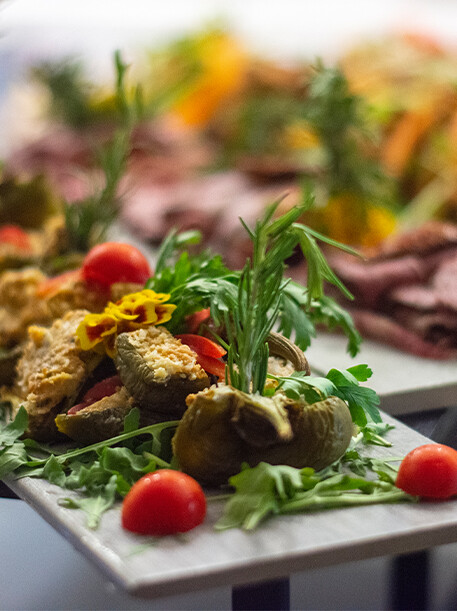 Traditional Maltese food.
 Maltese Cuisine.
Influences that shape Maltese cuisine
Maltese cuisine has been shaped by centuries of cultural exchange, particularly from Italy, North Africa, and broader Mediterranean traditions. These influences are reflected in both ingredients and cooking techniques found across the island.
Italian influence is evident in pasta dishes, tomato-based sauces, and the use of fresh herbs, while North African touches appear in spices and slow-cooked recipes. British influence has also left its mark in certain dishes and dining customs.
Together, these elements create a layered and evolving malta food specialities scene, where familiar Mediterranean flavours are reinterpreted through a local lens. This fusion is what makes cuisine in Malta both recognisable and distinctly different.
Maltese street food and everyday favourites
Street food plays a big role in Maltese cuisine, offering quick, flavourful options that are easy to pick up on the go. These dishes are simple, affordable, and widely loved by locals and visitors alike.
As you explore towns and villages, you’ll quickly notice traditional pastizzerias on many street corners, each offering a selection of freshly baked snacks. Pastizzi, which flaky pastries filled with either ricotta or mushy peas, are the most iconic and a must-try, but you’ll also find other favourites such as qassatat, which are slightly larger, more open pastries often filled with ricotta, spinach, or peas.
Hearty baked dishes are just as central to everyday eating, with timpana (a baked pasta pie encased in pastry) and ross il-forn, a baked rice dish with meat, tomato, and egg, offering something more filling and comforting. Alongside these, ħobż biż-żejt, a crusty Maltese bread filled with tomato paste, tuna, olives, and capers, remains a staple.
Together, these informal bites capture the essence of authentic Maltese food, showing how Malta’s local cuisine blends convenience with rich, home-style flavours.
A taste of Maltese cuisine through its most iconic dishes
Some of the most recognisable expressions of Maltese cuisine are found in its national dishes, particularly rabbit and seasonal fish. These dishes reflect the island’s connection to both land and sea, as well as its tradition of sharing food.
Fenkata, Malta’s traditional rabbit dish, is typically slow-cooked in wine, garlic, and herbs, resulting in rich, tender meat often served as part of a multi-course meal. The village of Mġarr is especially known for its fenkata restaurants, where this dish is prepared in its most authentic form and enjoyed in a relaxed, local setting.
Lampuki (dorado fish) is another staple of classic maltese dishes, usually pan-fried or baked into pies with vegetables and herbs. It is a seasonal catch, most commonly enjoyed between late summer and early autumn, with fishing village Marsaxlokk being one of the best places to try it at its freshest.
Maltese sweets and traditional desserts
Maltese food also has a rich tradition of sweets, often enjoyed during celebrations, village feasts, or as simple everyday treats. These desserts reflect a blend of Mediterranean and Middle Eastern influences, with flavours centred around nuts, honey, and spices.
One of the most recognisable is Helwa tat-Tork, a sweet sesame-based confection similar to halva, often flavoured with almonds or pistachios and cut into small slices. Imqaret are another favourite. These crispy, deep-fried pastries filled with spiced date paste, commonly found at local stalls and enjoyed warm.
Qubbajt, a traditional nougat made with almonds and honey, is especially popular during festas, while kannoli (inspired by Sicilian pastry) feature crisp shells filled with sweet ricotta. So be sure to round off your experience of authentic Maltese food with these flavours that are both nostalgic and distinctive.
Frequently Asked Questions about Maltese Cuisine
Yes, Maltese cuisine is known for its rich flavours and variety, combining Mediterranean influences with local tradition. It offers both hearty meals and lighter dishes, making it appealing to a wide range of tastes.
Maltese cuisine is unique because it blends multiple cultural influences into a single, cohesive food identity. This mix creates flavours that are familiar yet distinct to the island.
Common ingredients in Maltese cuisine include olive oil, tomatoes, garlic, capers, seafood, and local meats. These form the base of many traditional recipes and everyday dishes.
Typical classic Maltese dishes include a mix of seafood, slow-cooked meat dishes, baked pasta, and generous sharing platters. These reflect the island’s use of seasonal ingredients and a cooking style that balances simplicity with rich, comforting flavours.
Maltese cuisine has been shaped by Italian, North African, and British influences over centuries. These cultures have contributed to its flavours, cooking styles, and overall diversity.
Must-try authentic maltese food includes pastizzi, rabbit dishes, lampuki, and ħobż biż-żejt. These offer a well-rounded introduction to the island’s flavours and food traditions.
Popular dishes in Maltese cuisine include fenkata (rabbit), lampuki (seasonal fish), and baked pasta dishes. These are widely enjoyed across the island and often featured in both homes and restaurants.
5-Star AX The Palace Hotel in Sliema, Malta.