

Ta’ Pinu Basilica, Gozo: Why This Rural Church Draws Pilgrims from Around the World
and dive deeper
Malta and Gozo are home to countless churches and chapels, many of them striking in scale and beauty. Visitors are often drawn to obvious landmarks such as St John’s Co-Cathedral in Valletta, Mdina Cathedral, or the impressive Mosta Dome. But in Gozo, one church stands apart in a very different way, and that’s the Ta’ Pinu Basilica.
Set amid rolling emerald hills and open farmland, the Ta’ Pinu Basilica in Gozo feels peaceful, remote, and quietly powerful. Over the years, it has become a major pilgrimage site, drawing religious travellers from across Europe and beyond.
Yet even for non-Catholic visitors, Ta’ Pinu is a beautiful and moving place to visit, offering a rare mix of history, landscape, and atmosphere that feels deeply rooted in Gozo itself.
The Ta Pinu Miracle That Changed Everything
In June 1883, a woman from the nearby village of Għarb named Karmni Grima was walking past a small, neglected chapel when she heard a voice calling her: “Come, come.” Startled and frightened, she initially ignored it. When the voice called again, she entered the chapel, where she was asked to recite three Hail Marys in honour of the three days Mary’s body lay in the tomb.
Karmni kept the experience to herself for years. When she eventually shared it, another villager, Fransisk Portelli, revealed he too had heard a similar voice and later witnessed a miraculous healing in his family. Church authorities investigated the events and accepted them as authentic. From that moment on, devotion to the Madonna Ta’ Pinu in Gozo spread rapidly, transforming a forgotten rural chapel into one of the most important pilgrimage sites in the Maltese Islands.
Curious Facts About Ta’ Pinu Church
1. Ta’ Pinu Was Never Meant to Survive
In the late 16th century, church authorities ordered many small chapels across Gozo to be demolished. Ta’ Pinu was included. When workmen began tearing it down, one reportedly broke his arm striking the first blow. The incident was seen as a sign, and demolition stopped immediately. Ta’ Pinu became the only chapel on Gozo spared from the decree, a moment many locals still regard as the shrine’s first intervention.
2. The Shrine Is Named After a Man, Not a Saint
The name Ta’ Pinu Church Gozo comes from Pinu Gauci, who became caretaker of the chapel in the late 16th century. He personally funded its restoration, provided furnishings for worship, and commissioned the painting of the Assumption that remains central to the shrine today. Over time, the chapel became known simply as “Pinu’s church”.
3. A National Shrine Built by the People
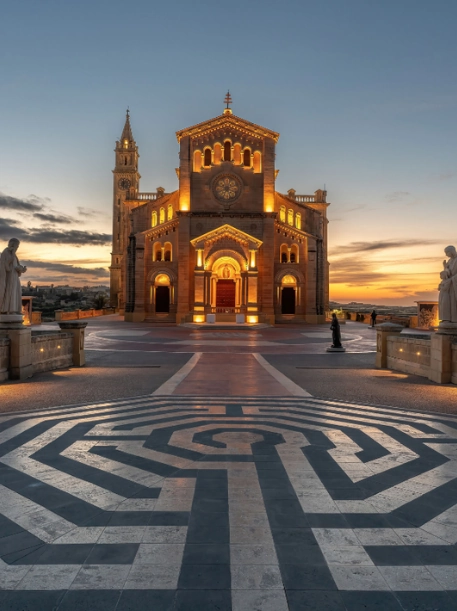
Unlike many basilicas across Europe, Ta’ Pinu was not built by royal decree or political ambition. The current church was constructed between 1920 and 1932 because pilgrim numbers kept growing. Popular devotion drove the project, resulting in a monumental neo-Romanesque basilica rising unexpectedly from open countryside. In 1935, it was elevated to the status of Gozo basilica.
4. A Living Archive of Personal Stories
Inside the Ta’ Pinu sanctuary Gozo, you’ll find hundreds of ex-voto offerings: photographs, letters, crutches, medals, and handwritten notes. These deeply personal items tell stories of illness, recovery, gratitude, and hope. Together, they form one of Malta’s most moving collections of lived history.
5. A Shrine with Papal Recognition
Ta’ Pinu has been visited by three popes. Pope John Paul II celebrated Mass here in 1990. Pope Benedict XVI honoured the shrine with a Golden Rose in 2010. Pope Francis visited in 2022 for prayer and reflection. Few rural pilgrimage sites of this size have received such sustained papal attention.

Planning Your Visit to Ta’ Pinu
Whether you’re visiting as a pilgrim or simply curious to explore one of Gozo’s most important landmarks, a little planning will help you make the most of your time at Ta’ Pinu.
How to Reach Ta’ Pinu Basilica
The Ta’ Pinu Basilica Gozo is located in open countryside between Għarb and Għasri, just off Ta’ Pinu Road Għarb. From Mġarr Harbour, the journey takes around 25 to 30 minutes by car or taxi. By public transport, buses 308 and 312 run from Mġarr to Għarb, followed by a short walk to the church. Many visitors also enjoy walking from Għarb itself, taking in the quiet rural landscape along the way.
The Outdoor Mosaics
Before you even step inside the Ta’ Pinu Basilica, take a moment to explore the zuntier, the wide open forecourt that frames the church. This space is designed not just as an entrance, but as a place for gathering, reflection, and outdoor prayer. It also hosted large open-air Masses, including those celebrated by visiting popes.
Set into the surrounding walls of the zuntier are a series of striking mosaics depicting key moments from the life of the Virgin Mary and important episodes connected to Ta’ Pinu’s story. Created in vivid colour and rich detail, these mosaics act almost like an open-air gallery, guiding visitors through the shrine’s spiritual narrative before they even cross the threshold. Many visitors find this outdoor space just as powerful as the basilica interior, especially in the quiet early morning or at sunset.
What to Look Out for Inside
Inside the Gozo’s Ta’ Pinu church, take time to notice the main altarpiece of the Assumption, the mosaics, and the stained-glass windows that bathe the interior in soft light. The ex-voto displays are especially worth lingering over, offering a powerful insight into why this shrine matters so deeply to so many people.
Why People Visit
People visit Ta’ Pinu for many reasons. Some arrive as pilgrims seeking comfort, healing, or guidance. Others come to give thanks, light a candle, or simply say a quiet prayer. Even visitors without religious beliefs often describe the atmosphere as calm and reflective, making it a meaningful stop regardless of faith.
Dress and Behaviour
As an active place of worship, visitors are asked to dress modestly. Shoulders and knees should be covered, and voices kept low inside the basilica. Photography is allowed, but it’s important to be respectful of those praying.
What Else to Do Nearby
Ta’ Pinu sits in a rural part of Gozo, with no cafés or shops immediately next to the church. Bringing water is recommended, especially in summer. You can pair your visit with a walk through Għarb village, explore nearby countryside paths, or continue on to Gozo’s north coast for scenic views and a taste of quiet village life.
Enhance your Ta’ Pinu visit with AX Hotels
If you’re staying at one of our award-winning AX Hotels in Sliema, Qawra, Rabat, or Valletta, our dedicated service team would be delighted to help you plan your visit to Ta’ Pinu Basilica in Gozo. We can offer personalised suggestions to ensure you enjoy a meaningful and well-paced day exploring one of Gozo’s most special landmarks.
Frequently Asked Questions about Ta’ Pinu.
Ta’ Pinu Basilica is known as one of Malta’s most important pilgrimage sites. Surrounded by peaceful countryside, the basilica is recognised for its spiritual significance, striking neo-Romanesque architecture, and long-standing association with reported miracles and devotion.
Ta’ Pinu Basilica is located near the village of Għarb on the western side of Gozo. The church stands prominently between rolling hills and open countryside, making it one of the island’s most recognisable landmarks.
The origins of Ta’ Pinu date back several centuries, but the shrine became internationally known after reported miraculous events in the late 19th century involving local villagers. As devotion to the site grew, the present basilica was constructed between 1920 and 1932 around the original chapel, transforming Ta’ Pinu into one of the Maltese Islands’ most important religious landmarks.
Ta’ Pinu is considered a major religious site due to its history of pilgrimage, reported miracles, and papal recognition. Over the years, the basilica has welcomed thousands of visitors seeking prayer, reflection, and spiritual connection, while remaining deeply tied to Gozo’s religious identity.
Visitors can admire detailed stonework, stained-glass windows, mosaics, and the historic chapel incorporated within the basilica. The site also features ex-voto displays, outdoor mosaics, and panoramic countryside views that add to the peaceful atmosphere surrounding the church.
Yes, Ta’ Pinu Basilica regularly holds Mass services and religious celebrations throughout the week. Special liturgical events and pilgrimages also take place during important religious periods, making the basilica an active place of worship for both locals and visitors.
Yes, Ta’ Pinu Basilica is generally open daily to visitors and worshippers. Many visitors prefer to explore the church during quieter morning or late afternoon hours, when the surrounding countryside and basilica atmosphere are especially peaceful.
Yes, Ta’ Pinu Basilica is widely considered one of Gozo’s most meaningful and visually striking landmarks. Whether visiting for religious, historical, or cultural reasons, the basilica offers a unique combination of architecture, landscape, and atmosphere that makes it a memorable stop on the island.
Ta Pinu Gharb Gozo