

Casa Rocca Piccola
and dive deeper
Casa Rocca Piccola: A Look Inside Valletta’s Noble Past
Walk far enough along Republic Street in Valletta and you’ll come across a house that has remained in private hands for centuries. Behind the doors of Casa Rocca Piccola are rooms furnished with family possessions, old paintings and pieces of silver that have been kept through generations.
The house dates back to the sixteenth century, when Valletta was still being built. Unlike many of the capital’s historic palaces, Casa Rocca Piccola remains a family residence. Its owners, the de Piro family, have opened part of their home to visitors, giving them a chance to see how Malta’s nobility lived.
There’s more to the visit than the grand rooms upstairs. A garden lies behind the building, while beneath it are underground shelters connected to Malta’s experience of the Second World War.
How Casa Rocca Piccola Became a Noble Residence
Valletta was founded in 1566, following the Knights of St John’s victory in the Great Siege. As the new city took shape, members of the Order and wealthy families began building their residences within its walls.
Casa Rocca Piccola was built for Don Pietro La Rocca, an admiral of the Order of St John. Its original name was La Casa con Giardino, or the house with a garden. In a city where space was carefully planned and private gardens were uncommon, that was quite a distinction.
The palace eventually passed into the hands of the de Piro family. Rather than turning it into a conventional museum, the family chose to share their home and its collections with the public.
The result is a place where the history feels closely connected to the people who lived there. Some of the objects on display have been handed down through generations, while others reflect the changing tastes and habits of the household.
Inside Casa Rocca Piccola Valletta
The house contains more than 50 rooms, though visitors see only a selection of them. Those open to the public contain antique furniture, portraits, silverware and decorative objects dating back centuries.
There are formal rooms that speak of the family’s social standing, but it’s often the smaller possessions that catch the eye. An old portrait might reveal how a member of the family wanted to be remembered. A piece of furniture, meanwhile, may have remained in the same household long after the fashions that inspired it disappeared.
Then there’s the garden. Valletta’s streets are densely built, so finding a green space tucked behind a historic residence comes as something of a surprise. The house was once known for this very feature, and the garden remains part of its character today.
For more about the capital’s architecture, see our guide to Valletta’s history and culture.
The Wartime Shelters Beneath the Palace
The most dramatic change of setting comes when the visit moves underground.
During the Second World War, Valletta was subjected to repeated air raids. Like many residents of the capital, those living at Casa Rocca Piccola needed somewhere to shelter when the bombing began.
Underground spaces beneath the house were adapted for this purpose. The chambers and passages survive today, offering a reminder of a period when the city above was frequently under attack.
Casa Rocca Piccola escaped the destruction that affected many other buildings in Valletta. Standing in the shelters makes that survival particularly striking. Upstairs, the furniture and family collections tell a story of continuity; below ground is evidence of how easily that continuity might have been broken.
You can read more about this period in our article on Valletta’s wartime landmarks.
Visiting Casa Rocca Piccola on Republic Street
Casa Rocca Piccola stands towards the lower end of Republic Street, within easy walking distance of St George’s Square.
Guided tours introduce visitors to the family’s history and explain the significance of the rooms and objects on display. They’re particularly useful here, as many of the house’s stories are connected to individual possessions rather than large historical events.
Before visiting, check the official Casa Rocca Piccola website for current opening hours, ticket prices and tour arrangements.
The Grand Master’s Palace and St John’s Co-Cathedral are also nearby, making it easy to spend a day exploring Valletta’s heritage.
Staying in Valletta
A visit to Casa Rocca Piccola fits comfortably into a longer stay in the capital. Valletta is compact enough to explore on foot, although its museums, churches and historic buildings can easily fill several days.
Rosselli – AX Privilege and AX The Saint John are both situated in the historic centre, close to Republic Street and the city’s main attractions.
Staying overnight also gives you time to wander through Valletta after the day visitors have left, when the streets feel quite different.
FAQs about Casa Rocca Piccola
Casa Rocca Piccola is a sixteenth-century noble house that remains in the hands of the de Piro family. Its furnished rooms and family collections reveal how generations of Malta’s aristocracy lived.
You’ll find the palace on Republic Street, towards the lower end of Valletta. It’s a short walk from St George’s Square, along one of the capital’s main pedestrian routes.
Expect furnished rooms containing portraits, antique furniture, silverware and family possessions. There’s also a garden and a series of underground spaces used as shelters during the Second World War.
It’s still a family home, not simply a historic building filled with museum exhibits. Many of the objects belong to the household’s own collection, giving the rooms a more personal character.
Its history begins with the Knights of St John and continues through generations of Maltese nobility. The underground shelters also tell part of Valletta’s story during the Second World War.
The house was built in the sixteenth century for Don Pietro La Rocca, an admiral of the Order of St John, shortly after Valletta was founded.
These may change throughout the year. The official Casa Rocca Piccola website provides current admission prices, opening hours and tour information.
Few places in Valletta combine a lived-in noble residence, centuries-old family possessions, a private garden and wartime shelters within the same building.
Yes. Guided tours are available and help explain the history of the house, its collections and the family associated with it. Check the current tour schedule before visiting.
Visitors can explore selected furnished rooms containing paintings, furniture, silver and family memorabilia. The garden and underground wartime shelters are also part of the attraction.
It offers a chance to see a side of Valletta that isn’t always visible in its public monuments: the private lives of the families who lived in the city over centuries.
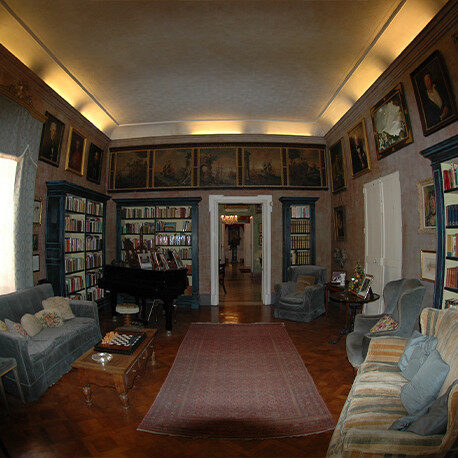 Casa Rocca Piccola, Valletta Malta.