

Underground Valletta: Exploring the Hidden Tunnels Beneath Malta’s Capital
and dive deeper
Beneath the streets of Valletta lies a fascinating hidden world of tunnels, reservoirs, wartime shelters, and engineering marvels that few visitors ever see. This guide to Underground Valletta explores the history, hidden stories, and practical information behind one of Malta’s most unique heritage experiences, revealing a side of the capital that has remained concealed for centuries.
What is the history of Valletta’s underground tunnels?
The story of Underground Valletta begins alongside the construction of the capital itself in the 16th century. What started as a network of military passages, cisterns, wells, and storage chambers eventually evolved into one of Malta’s most remarkable hidden historical sites.
When the Knights of St John founded Valletta following the Great Siege of 1565, they designed the city with survival in mind. Beneath the streets they carved an extensive network of tunnels, reservoirs, grain silos, drainage systems, and military passages directly into the limestone bedrock. These underground spaces were essential to the city’s defence, allowing troops to move discreetly while ensuring reliable supplies of water and food during periods of siege.
The importance of Underground Valletta continued long after the Knights. During the Second World War, the existing tunnels, cisterns, and passages were expanded into air-raid shelters as Malta endured some of the heaviest bombing of the war. More than 38,000 people sought refuge beneath Valletta, transforming the Valletta underground city into a lifeline for survival.
Today, parts of this extraordinary subterranean world have been carefully restored and reopened through Heritage Malta Underground Valletta experiences. Guided visits offer a rare opportunity to explore the hidden infrastructure that allowed the capital to survive both siege and war, revealing a side of Valletta that most visitors never see.
6 fascinating facts about Underground Valletta
Beneath the elegant streets and historic buildings of Valletta lies a hidden world that few visitors realise exists. These remarkable facts reveal why Underground Valletta is one of Malta’s most surprising historical attractions.
1 – Valletta is built on a hidden city
Many people think of Valletta only as a city above ground, but beneath it lies an intricate network of tunnels, wells, cisterns, shelters, drainage systems, storage chambers, and military passages. Together, they form a vast underground infrastructure that supported daily life and defence for centuries.
2 – A forgotten Knights-era reservoir sits beneath Great Siege Square
Directly beneath one of Valletta’s busiest public spaces lies a huge 16th-century cistern built by the Knights of St John. Hidden for centuries, it was only rediscovered after modern works unexpectedly broke through into the chamber.
3 – Battles were fought underground during the Great Siege
Historical accounts suggest that both Ottoman and Hospitaller forces dug tunnels beneath the fortifications during the Great Siege of 1565. In some cases, opposing miners reportedly encountered each other underground, leading to hand-to-hand combat in complete darkness.
4 – Valletta’s water system was an engineering masterpiece
The Knights created an impressive network of reservoirs, wells, and cisterns to ensure the city’s survival during a siege. Historical records indicate that Valletta once contained dozens of public reservoirs, thousands of private wells, and enough stored water to sustain the population for extended periods.
5 – World War II transformed the tunnels into shelters
When Malta came under intense aerial bombardment during World War II, the existing network of Valletta underground tunnels became a refuge for thousands of civilians. Entire families lived underground for extended periods, some even creating private rooms and chapels within the shelters.
6 – Parts of Valletta’s underground infrastructure were ahead of their time
The Knights developed sophisticated gravity-fed drainage systems and sanitation networks centuries before many major European cities modernised theirs. Some researchers consider Valletta’s underground engineering among the most advanced urban infrastructure projects of its era.
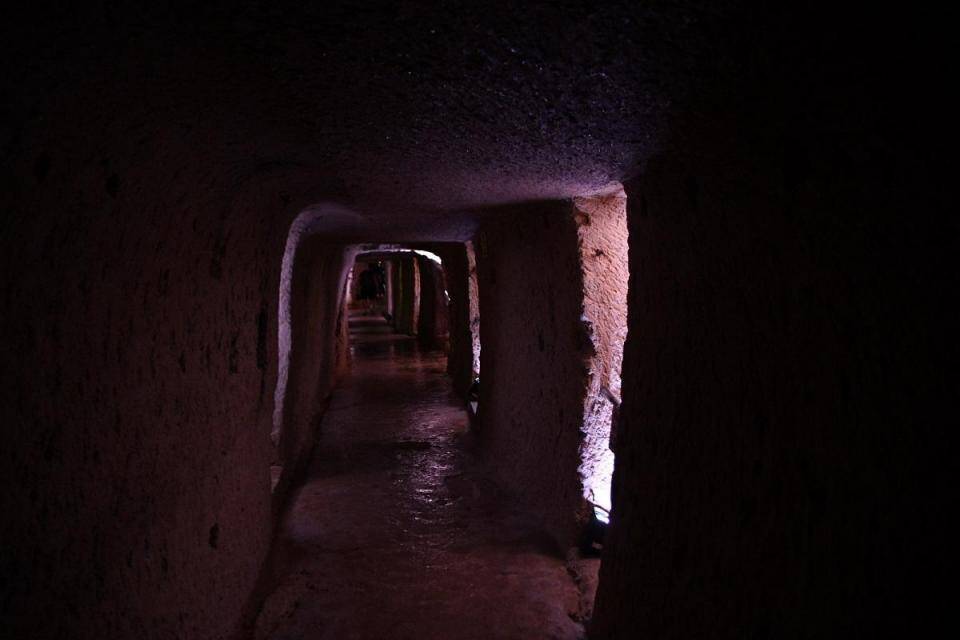 Underground Valletta.
 War Shelter at Casa Rocca Piccola.
Planning your Underground Valletta tour
An Underground Valletta tour offers a fascinating glimpse beneath the capital, but a little preparation will help you make the most of the experience.
Before booking your Valletta tunnels tour, keep the following practical tips in mind:
- Book in advance: Spaces on guided tours are often limited, so advance booking is strongly recommended through Heritage Malta.
- Arrive early: Visitors are typically asked to check in before the tour begins and attend a short safety briefing.
- Wear comfortable closed shoes: Trainers or walking shoes are strongly recommended. Open footwear, sandals, and high heels are generally not permitted.
- Expect stairs and uneven surfaces: Parts of the route involve narrow passages, steps, and underground chambers, making the experience unsuitable for some visitors with mobility difficulties.
- Suitable for older children: Children can enjoy the experience, but younger visitors should be accompanied by an adult and comfortable in enclosed underground spaces.
- Bring a light jacket: Even during warmer months, temperatures underground can feel noticeably cooler than on Valletta’s streets.
FAQs about Underground Valletta
The Underground Valletta experience takes place beneath the historic streets of Malta’s capital, with access provided through designated tour entry points in Valletta. For the latest access information and meeting points, visitors should consult Heritage Malta, which manages the site.
Most Underground Valletta tours typically last around one to two hours, depending on the route and programme being offered. As tour formats may change over time, Heritage Malta remains the best source for current information.
A typical Underground Valletta tour reveals a hidden world of tunnels, cisterns, wartime shelters, drainage systems, and storage chambers carved into the limestone beneath the city. Visitors gain insight into how Valletta survived sieges, blockades, and aerial bombardments across several centuries.
Underground Valletta tickets can usually be booked through Heritage Malta, which operates the tours and visitor experience. Advance booking is often recommended, particularly during busy tourist periods.
Yes, the Valletta underground tunnels are generally explored through guided visits led by trained interpreters. These tours help bring the site’s military, engineering, and social history to life while ensuring visitor safety.
The Underground Valletta experience can be a fascinating activity for families, particularly those with older children interested in history. Parents should check current age recommendations and accessibility information with Heritage Malta before booking.
The Valletta underground city contains an extensive network of chambers, reservoirs, shelters, and passages, many of which remained forgotten for decades. However, only selected areas are accessible to visitors as part of the official tour experience.
Access to Valletta underground spaces is generally provided through organised guided tours rather than independent visits. This helps protect the site while ensuring visitors can safely navigate the historic underground environment.
Visitors are typically given safety guidance before entering Underground Valletta, and suitable footwear is often required due to uneven surfaces, stairs, and enclosed spaces. Exact procedures may vary, so visitors should always follow the latest guidance issued by Heritage Malta.
Few destinations offer the chance to explore an entire hidden layer of history beneath a capital city. The Valletta underground network combines military engineering, water storage systems, wartime shelters, and centuries of urban development, creating one of Malta’s most distinctive heritage experiences.
AX The Saint John Boutique Hotel in Valletta Malta; Traditional Maltese Balconies. Photo credits go to viewingmalta.com and Times of Malta.