

10 Reasons You Should Visit Malta
and dive deeper
10 Reasons to Travel to Malta on Your Next Holiday
Planning your next vacation? If this is Malta you are looking for, it may be. This small Mediterranean island has beautiful beaches, an interesting history, good food and sunshine for much of the year. And, because the island is quite small, you can see quite a lot during your stay without having to spend hours travelling.
There are many reasons to visit Malta and it’s not just because of the summer climate. Explore historic cities, ancient temples, spend a day at the sea or take a short ferry to Gozo. If you like to go out in the evenings there is also a lively entertainment scene.
If you’re still scratching your head about where to go on your next holiday, here’s ten reasons why Malta should be on your list.
1. Experience Malta’s sunny weather
One of the main reasons why people choose Malta for their holidays is the weather. The island has 300 days of sunshine each year and experiences long hot summers and usually mild winters.
If you love the beach, swimming and outdoor activities then summer is perfect. But Malta is worth visiting outside of the warmer months too. Winter daytime temperatures are around 17°C, so it’s a pleasant escape if you’re travelling from somewhere much colder.
If you’re wondering about the best time to visit Malta, it really depends on what you’d like to do. Summer is popular for beach holidays, and spring and autumn are good if you prefer cooler weather for sight-seeing.
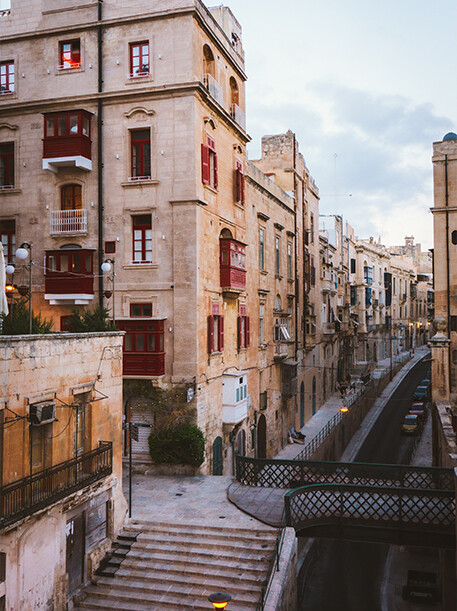 Valletta; Malta’s Capital City.
 St. John’s Co-Cathedral in Valletta.
2. Discover Valletta, Malta’s Historical Capital
When you visit Malta, Valletta is one of the must-see places. Built by the Knights of St John, the capital is a UNESCO World Heritage City famous for its Baroque architecture, historic buildings and impressive fortifications.
A walk through Valletta is an experience in itself. The narrow streets are lined with old buildings, churches, cafes and small shops. While wandering through the city you will also enjoy wonderful views of the Grand Harbour.
Although Valletta is steeped in history, it is also a lively place to spend the day. You can visit a museum, eat lunch at a local restaurant or simply wander and find your own path along the streets.
3. Some of the World’s Oldest Temples
The islands of Malta have a long history stretching back thousands of years, and its prehistoric temples are some of the most interesting places to visit on the islands.
The Megalithic Temples are a UNESCO World Heritage Site and there are a number of temple complexes scattered across Malta and Gozo. One of the best known is Ġgantija in Gozo, one of the oldest free-standing stone structures in the world that is still standing.
The Ħal Saflieni Hypogeum in Paola is another important site. It was a burial place and a place of worship. The underground complex gives a look into life on the islands in prehistoric times.
If you are a history lover, these places are definitely worth adding to your holiday itinerary.
4. See Caravaggio’s Famous Painting in Valletta
For art lovers it’s worth a trip to St John’s Co-Cathedral in Valletta. The cathedral is known for its lavishly decorated Baroque interior, but it also houses one of Caravaggio’s most celebrated paintings, The Beheading of Saint John the Baptist.
It is regarded as one of the artist’s most important paintings and attracts visitors who travel to see it in the flesh.
Even if you don’t care much about art, the cathedral itself is impressive. Its ceilings are decorated, its floors are marble and its artwork is ornate, and it is one of Valletta’s most memorable historic buildings.
Qbajjar Salt Pans, Gozo.5. Discover Malta’s wartime history
Malta played a major role during World War II. The island was a British colony and a military base and was heavily bombed during the conflict.
Today a number of museums and historic sites allow you to learn about this period of Malta’s history.
The Lascaris War Rooms in Valletta offer an insight into the underground headquarters used during the war. The National War Museum at Fort St Elmo is another interesting stop, with exhibits covering different periods of Malta’s military history.
You can also visit the Palace Armoury and explore Valletta’s fortifications to learn more about how the island was defended over the centuries.
6. Experience Malta’s Nightlife and Music Scene
Malta is also well known for its nightlife, especially in the summer months. There are bars, clubs and music venues dotted around the island if you like going out in the evening.
Paceville in St Julian’s is one of the best known nightlife areas where clubs and bars stay busy late into the nite.
Malta is also home to music festivals and performances by local and international artists. Events like GLITCH and Isle of MTV helped to put the island on the map as a destination for music lovers.
If you are planning your holiday around a specific event it is worth checking the dates before you book.
7. Take a day trip to Gozo
Gozo is Malta’s smaller sister island and has a more rural, quieter feel. This is a lovely place to visit if you would like to get away from the busier parts of Malta.
You can take a ferry to Gozo and spend the day visiting its villages, beaches and countryside. There are many interesting things to see on the island including the Ġgantija Temples, the historic Cittadella in Victoria and the salt pans near Qbajjar Bay.
Gozo is also popular for its diving sites and traditional food. While you’re there, try a Gozitan ftira, a local speciality, often topped with potatoes, onions and other ingredients.
You can see some of Gozo’s highlights in a day, but the longer you stay, the more you’ll have the chance to explore.
Pastizzi; traditional Maltese food.Blue Lagoon, Comino.8. Go on a boat trip to the Blue Lagoon
The Blue Lagoon in Comino is one of the best known swimming spots in Malta and it’s easy to see why. Its clear turquoise waters and rocky coast make it a popular place to visit, especially in the summer.
Visitors often come to Comino by boat, where they spend a few hours swimming, admiring the scenery, or simply relaxing by the water.
The Blue Lagoon can be busy in the warmer months and it is worth planning your visit in advance and checking the access arrangements at the time.
If you love the sea, a trip by boat to Comino is a lovely way to spend part of your holiday.
9. Go Scuba Diving All Year Round
Scuba divers adore Malta and Gozo for their clear waters and variety of underwater sites.
There are reefs, caves and wrecks to explore, with dive sites to suit all levels of experience. Divers come to the islands for the whole year, even in winter.
You can still dive in the winter months when the sea is cooler, provided you have the right equipment and the weather is favourable.
If you’ve never tried scuba diving before, you can also consider taster sessions with a qualified diving center.
10. Eat Traditional Pastizzi in Malta
Pastizzi is a must-try when you’re in Malta. These small pastries are one of the island’s best loved snacks and can be found in local bakeries and pastizzerias throughout Malta and Gozo.
Traditionally filled with ricotta or peas, they are made with flaky pastry. They are best eaten hot and are a quick and cheap snack that the locals have been eating for generations.
You might stop for one while exploring a village, or pick up a couple before heading out for the day.
Simple, tasty and very much part of everyday Maltese life.
Plan Your Next Holiday to Malta
So, why go to Malta? It’s a place where you can combine a beach holiday with thousands of years of history and local culture all within a relatively short distance.
The best time to visit Malta depends on what kind of holiday you’re planning. Summer is great for swimming and beaching, spring and autumn are nice for exploring. Even winter has its charm, especially if you like sightseeing without the summer crush.
If you’re planning a trip, AX Hotels offers accommodation in Valletta, Sliema, Qawra and Rabat, giving you a choice of locations depending on how you’d like to spend your holiday.
Explore our AX Hotels accommodation and choose the best place to stay.
Underground Valletta.War Shelter at Casa Rocca Piccola.FAQs about Reasons to Travel to Malta
Malta is known for its sunny weather, beautiful beaches, historic sites and local food . There are things for visitors to do, such as explore Valletta, visit ancient temples, take boat trips and enjoy the island’s nightlife. Its small size also makes it easier to visit several places on one holiday.
One of the main reasons to visit Malta is the mix of history, beaches and cultural attractions in a small space. You can take the morning to visit historic sites and spend the afternoon at the seaside without going far. Malta also has a mild climate for most of the year.
Malta is famous for its capital city Valletta, its prehistoric temples, its clear blue waters and its Mediterranean climate. The food, cultural events and diving sites give travellers even more reasons to explore the islands, along with attractions such as the Blue Lagoon and St John’s Co-Cathedral, which attract visitors every year.
Malta has a long history shaped by different civilisations over thousands of years. Explore the island’s wartime past and visit prehistoric temples and Valletta’s baroque buildings. Malta and Gozo are peppered with museums, churches and historic sites.
Malta is famous for its warm climate, seaside scenery and clear waters. Visitors can enjoy swimming, boat trips, local restaurants and historic cities during their stay. The islands have their own traditions and food too, offering travellers a chance to experience a different side of Mediterranean life.
Yes, Malta is a good holiday destination for people who like history, beaches, food and sightseeing. The island is fairly small so it’s easy to get around to the attractions. There are activities going on all year round so it is suitable for all types of holiday.
Malta can be a good choice for couples, families and solo travellers. Couples can enjoy coastal walks and dining experiences, while families can visit beaches, museums and historical attractions. Solo travellers can either explore the islands on their own, join organised activities or spend time discovering Malta’s towns and villages.
Spring, summer and autumn are all popular times to visit Malta. The best time to visit for beach activities is in summer, when there is a busy entertainment calendar. Spring and autumn are more pleasant times for sightseeing. If you’re interested in a specific festival or event, check its dates before booking.
The warmest months in Malta are typically June to September and this is a popular time for swimming, boat trips and beach holidays. If you prefer walking and sightseeing but want to avoid the intense summer heat, April, May, October and early November can also be good months to visit.
If you want to combine sightseeing with beach time, May, June, September and October are good months to think about. The weather is usually warm enough to enjoy the outdoors, and temperatures are often more comfortable for sightseeing and exploring historic towns and attractions than they are during the hottest weeks of summer.
If you want to see more of the Maltese Islands, then Gozo is well worth a visit. It is well known for its countryside, beaches, historic attractions and quieter atmosphere. You can visit Cittadella, Ġgantija Temples, traditional villages or just have a relaxing day away from the busier areas of Malta.
AX The Saint John Boutique Hotel in Valletta Malta; Traditional Maltese Balconies. Photo credits go to viewingmalta.com and Times of Malta.